Scientists in the Philippines have discovered a remarkable plant with a superpower: it can thrive in heavily polluted soil by sucking up toxic heavy metals without being harmed.The plant, named Rinorea niccolifera, was identified by researchers from the University of the Philippines Los Baños on Luzon Island. It belongs to a rare group of species known as hyperaccumulators.This hardy plant can absorb and store up to 18,000 parts per million of nickel in its leaves. 100 to 1,000 times more than typical plants can tolerate. It also effectively pulls cadmium and lead from the soil, safely storing the toxins in its tissues.The discovery highlights the potential of phytoremediation, an eco-friendly, low-cost technique that uses plants to naturally clean up contaminated land. Researchers believe Rinorea niccolifera could become a powerful tool for restoring ecosystems damaged by mining and industrial pollution.Science and facts💡
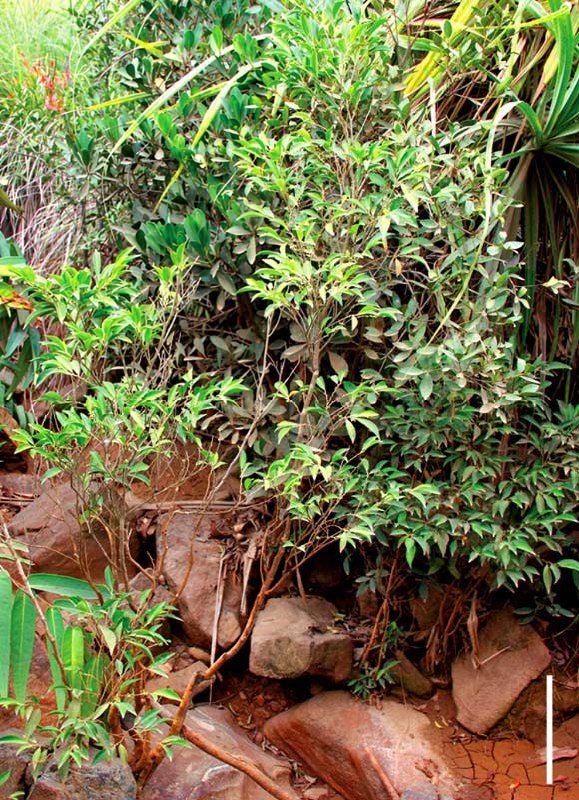
Scientists in the Philippines have discovered a remarkable plant with a superpower: it can thrive in heavily polluted soil by sucking up toxic heavy metals without being harmed.The plant, named Rinorea niccolifera, was identified by researchers from the University of the Philippines Los Baños on Luzon Island. It belongs to a rare group of species known as hyperaccumulators.This hardy plant can absorb and store up to 18,000 parts per million of nickel in its leaves. 100 to 1,000 times more than typical plants can tolerate. It also effectively pulls cadmium and lead from the soil, safely storing the toxins in its tissues.The discovery highlights the potential of phytoremediation, an eco-friendly, low-cost technique that uses plants to naturally clean up contaminated land. Researchers believe Rinorea niccolifera could become a powerful tool for restoring ecosystems damaged by mining and industrial pollution.Science and facts💡
Comments
Be the first comment